
- Immediate operational disruptions including flight cancellations and stranded cruise passengers
- Long-term shifts in traveler safety perceptions regarding Latin America and the Caribbean
- Economic risks for nations dependent on tourism as routes and itineraries change
- The potential for this event to serve as a precedent for other global geopolitical conflicts
On January 3, 2026, United States military operatives executed an invasion of Venezuela, resulting in the capture of President Nicolás Maduro and his wife. Following this operation, US President Donald Trump declared that the US would assume administration of the country, a move that immediately destabilized the region and caused significant repercussions for the travel industry.
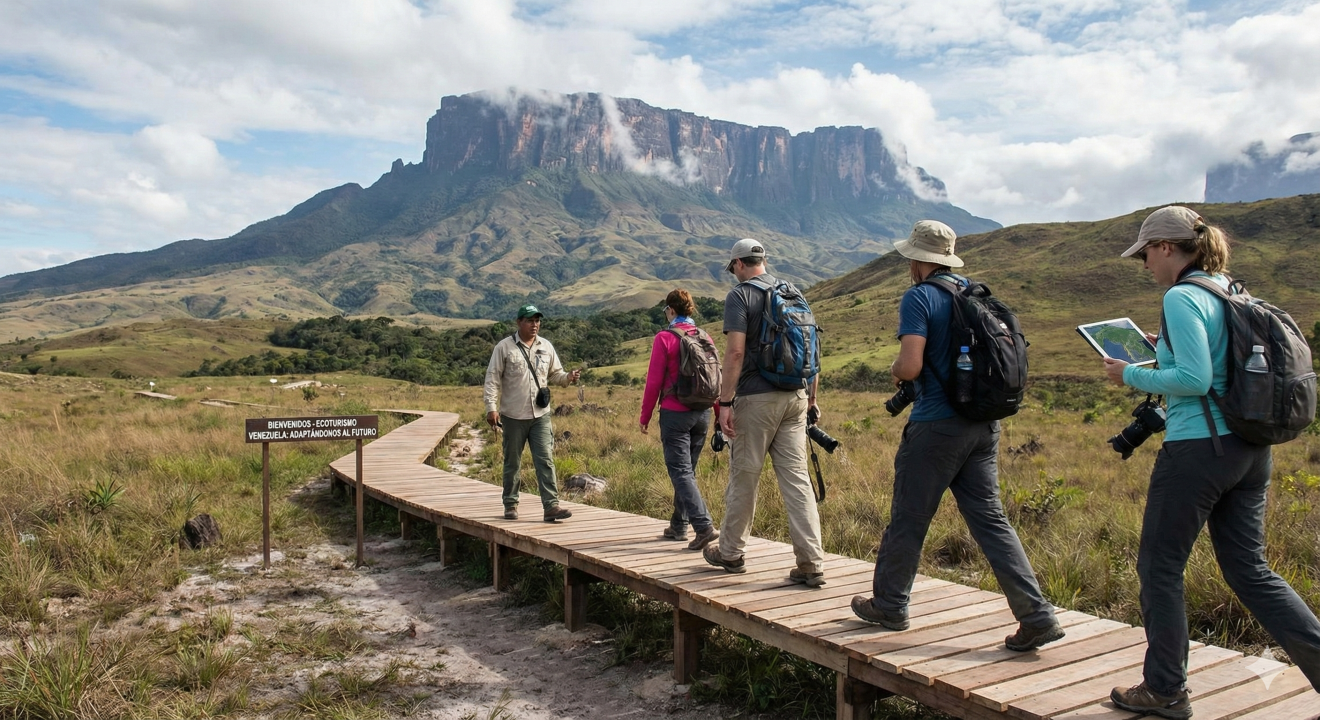
The initial fallout included widespread flight cancellations across the Caribbean and Central America, specifically affecting routes to Puerto Rico, Aruba, and the US Virgin Islands. The FAA issued a stand-down order, which left approximately 48,000 cruise passengers stranded in Puerto Rico and disrupted the plans of American tourists returning from holiday vacations.
Beyond the immediate logistical chaos, experts warn of long-term consequences for the tourism sector in Latin America. A report by iPMI Global indicates that the geopolitical tension has compromised safety perceptions, likely causing international travelers to view the region as unstable. Consequently, tourism-reliant economies, particularly those dependent on the cruise industry, face a potential economic crisis as operators and travelers shift toward safer destinations and routes.
Land transport is also expected to change as travelers seek to avoid border harassment and instability. Furthermore, the situation in Venezuela is viewed by analysts as a disturbing precedent for other geopolitical flashpoints, such as tensions involving China, Taiwan, and the Philippines. While the situation remains fluid, industry analysts advise travelers to maintain caution and stay informed regarding evolving travel advisories and safety protocols.