
- Post-landing delays are driven by gate congestion and overwhelmed baggage systems
- Ground transportation shortages often lead to gridlock and surge pricing at airports
- Winter weather and high passenger volumes are currently exacerbating arrival times
- Pre-planning airport transfers and adding schedule buffers can minimize travel stress
Post-holiday travel surges are revealing a frustrating trend where significant delays occur after the aircraft has already touched down. JJ Bell, Vice President of Presidential Limousine, explains that while passengers typically brace for departure issues, the logistical challenges upon arrival—ranging from tarmac waits to curbside gridlock—are becoming increasingly prominent. This situation is currently intensified by winter weather affecting major hubs in the Northeast and Midwest, as well as the sheer volume of travelers returning from seasonal breaks.
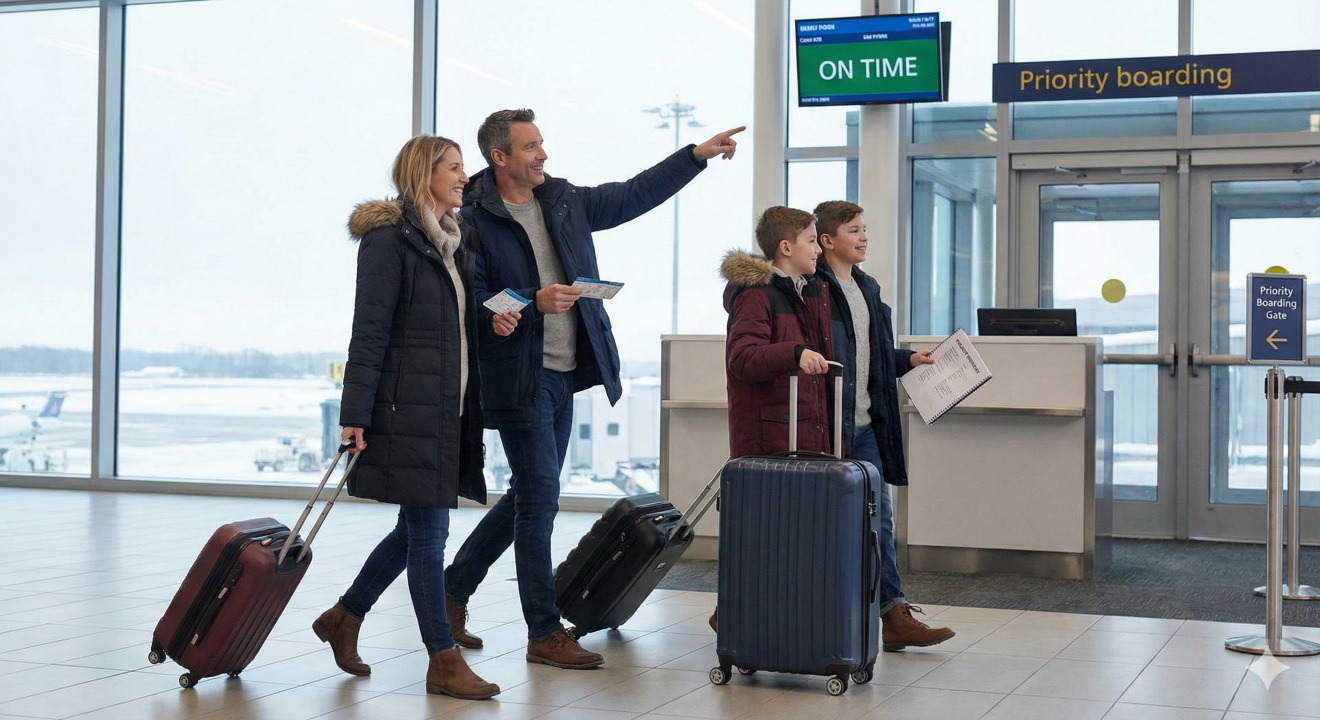
The primary bottlenecks begin on the runway, where gate congestion often forces aircraft to wait for a parking spot to clear. Air traffic control constraints and safety protocols regarding spacing can further delay taxiing. Once inside the terminal, staffing limitations and high volumes can stall baggage handling, while international passengers frequently encounter extended wait times at customs and immigration. The final hurdle often occurs at the curb, where a lack of available rideshares and taxis leads to overcrowding and surge pricing, compounding the fatigue of a long journey.
Psychological factors, such as exhaustion and the uncertainty of unexplained waits, make these post-landing delays feel particularly burdensome. To mitigate these stressors, experts recommend a proactive approach. Pre-arranging ground transportation is cited as a key strategy to avoid the chaos of on-demand services. Additionally, travelers are advised to build buffer time into their schedules to account for potential hold-ups and to keep essential documents organized for customs. By monitoring airport conditions and planning the arrival logistics as carefully as the flight itself, passengers can significantly reduce the stress of their return journey.