
- Hangzhou features three UNESCO World Heritage Sites including West Lake and the Grand Canal
- The Archaeological Ruins of Liangzhu City provide evidence of civilization spanning five thousand years
- An optimized Tax Refund for Tourists policy is now in place to benefit international shoppers
- The city promotes a harmonious fusion of ancient cultural history and modern urban innovation
Hangzhou, often historically referred to as “heaven on earth,” is currently positioning itself as a premier destination for global travelers seeking to experience the depth of China’s five-millennia-old civilization. The Hangzhou Municipal Bureau of Culture, Radio, Television and Tourism has announced initiatives to welcome international guests by highlighting the city’s unique blend of ancient heritage and modern convenience.
A central component of this effort is the full implementation and optimization of the “Tax Refund for Tourists” policy. This system allows eligible overseas visitors to receive refunds on Value-Added Tax for purchases made at designated shops, underscoring the city’s commitment to becoming an international consumption hub.
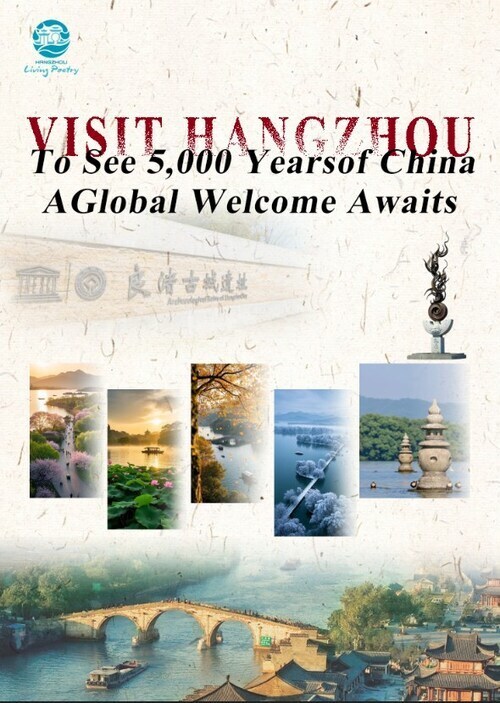
The cultural core of Hangzhou is defined by its three UNESCO World Heritage Sites. The West Lake Cultural Landscape represents a masterpiece of classical aesthetics, symbolizing the harmony between humans and nature. The Grand Canal, recognized as the world’s longest ancient artificial waterway, connects the city’s historic economic vitality with its contemporary urban rhythm.
Most notably, the Archaeological Ruins of Liangzhu City provide tangible evidence of Chinese civilization dating back 5,000 years, featuring a sophisticated water management system and exquisite jade artifacts. Together, these sites offer a comprehensive timeline of Chinese history, from Neolithic origins to the present day. By integrating these historical wonders with improved visitor services, Hangzhou aims to offer a seamless and enriching experience for tourists from around the world.