
- A substantial 91% of Americans plan to travel in 2026, with nearly half (49%) aiming to travel more than they did in 2025.
- The primary travel motivations include spending time with loved ones (55%) and the desire to rest and recharge (57%).
- Domestic road trips and local weekend getaways are the top travel preferences for 2026, each cited by 44% of respondents.
- Over half of Americans (52%) belong to a hotel loyalty program, and 80% view these programs as helpful for achieving travel goals through perks
A recent survey conducted by Marriott Bonvoy indicates a strong commitment to travel among Americans for the year 2026. The results show that 91 percent of Americans intend to travel in 2026, and nearly half of those surveyed (49 percent) expressed a desire to travel more than they did in 2025. This focus on experiences is further underscored by the fact that two-thirds (67 percent) of participants are prioritizing travel and experiences over material purchases in the coming year.
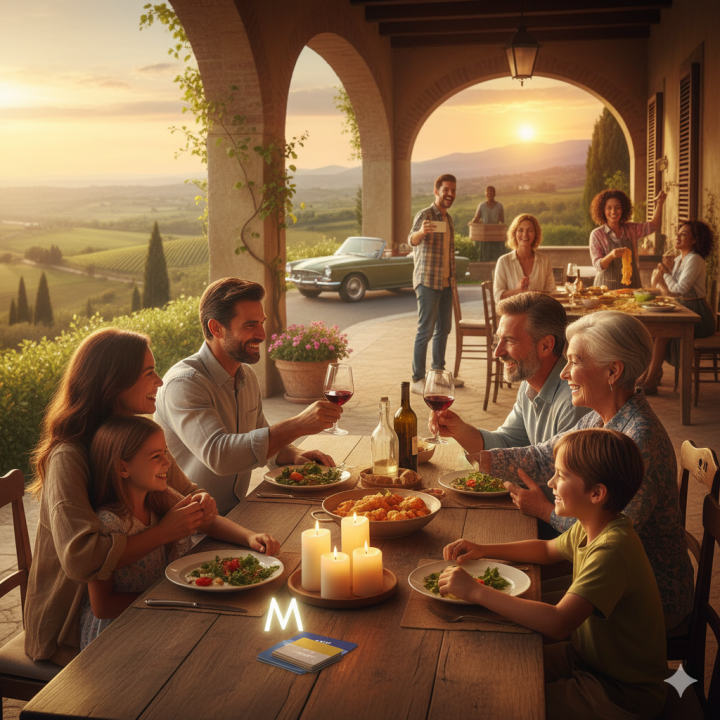
The motivation behind this planned travel includes a pursuit of deeper connections, well-being, and novel experiences. Over half (55 percent) of respondents aim to spend more time with loved ones, while 46 percent look forward to exploring new dining options during their trips. Rest and recharging are also significant factors, with 57 percent identifying it as the most meaningful benefit derived from travel. In terms of destination type, domestic road trips and local weekend getaways were the top travel wishes for 2026, both cited by 44 percent of participants.
The survey also highlighted the perceived value of hotel loyalty programs. More than half of Americans (52 percent) are currently enrolled in at least one program. The biggest benefit of these programs, cited by 49 percent, is the smart way they provide to save money on travel. A significant 80 percent of participants believe that loyalty programs facilitate travel goals through perks such as complimentary stays and room upgrades. Millennials, specifically, demonstrated a high valuation of time away, with 70 percent stating they would rather forgo dining out for six months than cancel a vacation.