
- Starting January 30, 2026, Singapore will implement the No-Boarding Directive (NBD) to stop high-risk or inadmissible passengers before they board.
- The system shifts the primary responsibility for pre-boarding security checks to airlines, which must comply with ICA notices.
- Singapore is joining countries like the U.S., Canada, Brazil, Mexico, and Japan that already use similar pre-screening measures.
- Airlines that fail to comply with the NBD face penalties, including fines up to $\$10,000$, and the policy will expand to sea vessels in 2028.
Singapore is set to implement a new border security measure called the No-Boarding Directive (NBD), starting January 30, 2026. This move aligns Singapore with a growing global trend, joining countries such as the U.S., Canada, Brazil, Mexico, and Japan, which already enforce similar pre-boarding security checks.
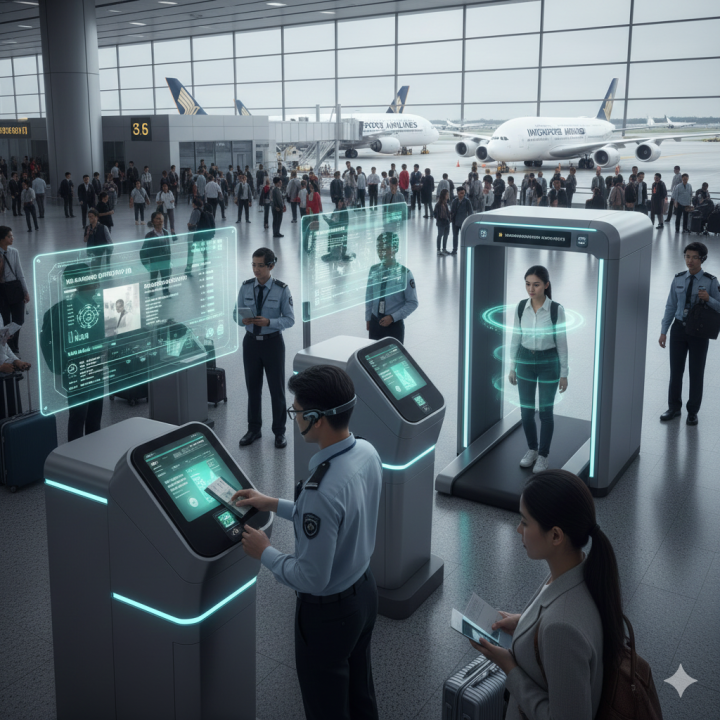
The NBD system is designed to proactively identify and stop individuals who are flagged as high-risk or who fail to meet Singapore’s key entry requirements, such as possessing a valid visa or necessary travel documents. Under this directive, the Immigration and Checkpoints Authority (ICA) will issue notices to airlines detailing inadmissible passengers. The airlines will then be legally responsible for preventing these individuals from boarding flights bound for Singapore, shifting the initial screening responsibility away from immigration officers at the airport checkpoint.
This proactive approach is intended to enhance overall border security and ensure a smoother entry process for legitimate travelers by addressing potential threats before they arrive. Countries like Canada and the U.S. utilize similar systems, such as the No-Fly List, to screen passengers against national security threats. Singapore’s policy mandates strict compliance; airlines that fail to adhere to the NBD face penalties, including fines of up to $\$10,000$. Looking ahead, Singapore plans to expand the NBD system to include sea-going vessels starting in 2028, ensuring all international travel modes are covered by the same security checks.