
- The U.S. DOT froze the proposed cash compensation rule, which would have mandated up to $775 for flight delays caused by airline fault.
- Airlines supported the freeze, arguing mandatory compensation would increase operational costs and ticket prices.
- Critics warn the move strips consumer rights, leading to inconsistent compensation and reliance on airline discretion.
- The decision highlights the disparity in passenger rights between the U.S. and the EU, where compensation is legally mandated.
The U.S. Department of Transportation (DOT), under the current administration, has suspended the proposed cash compensation rule that would have required airlines to pay passengers up to $775 for significant delays or cancellations caused by the carrier’s fault. This deregulatory action is supported by major airlines, including United, American, Southwest, Delta, and JetBlue.
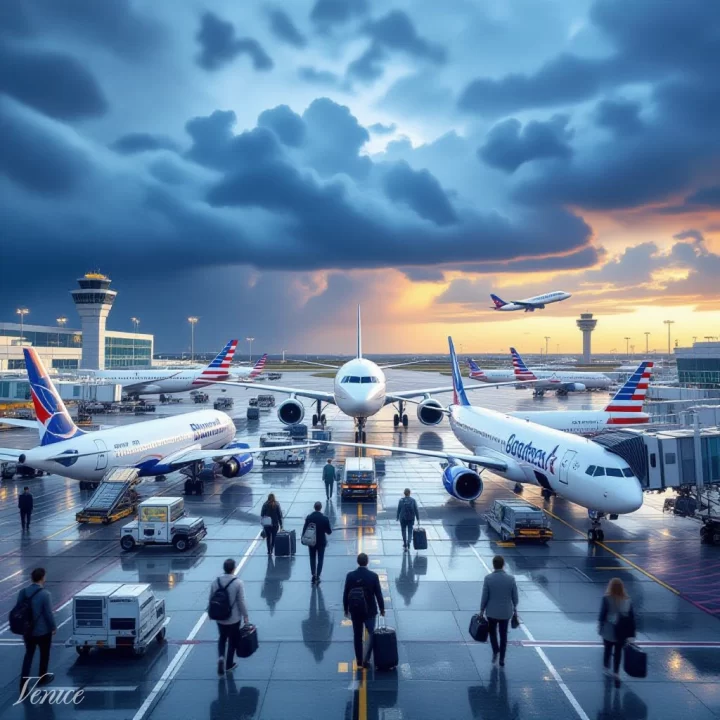
Airlines argue that mandatory cash compensation would increase their operational costs, which would ultimately translate into higher fares for consumers. They maintain that their existing customer policies, which focus on rebooking and providing amenities like meal and accommodation vouchers for controllable delays, are sufficient to address passenger needs. JetBlue has announced a shift to offering compensation as loyalty points rather than cash starting in 2026.
Conversely, critics warn that the freeze undermines consumer protections. Travelers are now left without guaranteed compensation for airline-caused disruptions and must rely entirely on the varying discretion and “goodwill” of individual carriers, potentially leading to inconsistent treatment and confusion. The DOT’s decision confirms that future compensation for U.S. air travelers will be determined by competitive market pressures rather than federal mandates. This lack of standardized rules exacerbates the disparity in passenger rights compared to the European Union, where compensation is legally guaranteed.