
- Multiple European countries, including Greece, Spain, and France, are implementing or planning significant increases in cruise passenger taxes and port fees this year.
- The primary reasons for the tax hikes are to manage overtourism, fund port infrastructure upgrades, and promote a sustainable tourism model.
- Greece introduced a seasonal fee up to $€20$ per person in high-traffic islands, while Dubrovnik, Croatia, charges large ships up to $€5,308$ per arrival.
- France and Italy (Venice) are using methods like caps on large ship calls and day-trip access fees to regulate the volume of visitors.
Multiple European countries, including Greece, the UK, Spain, Italy, France, and Croatia, are implementing or planning significant increases in cruise passenger taxes and fees this year. This collective action is primarily driven by the need to manage overtourism and fund necessary upgrades to strained local and port infrastructure.
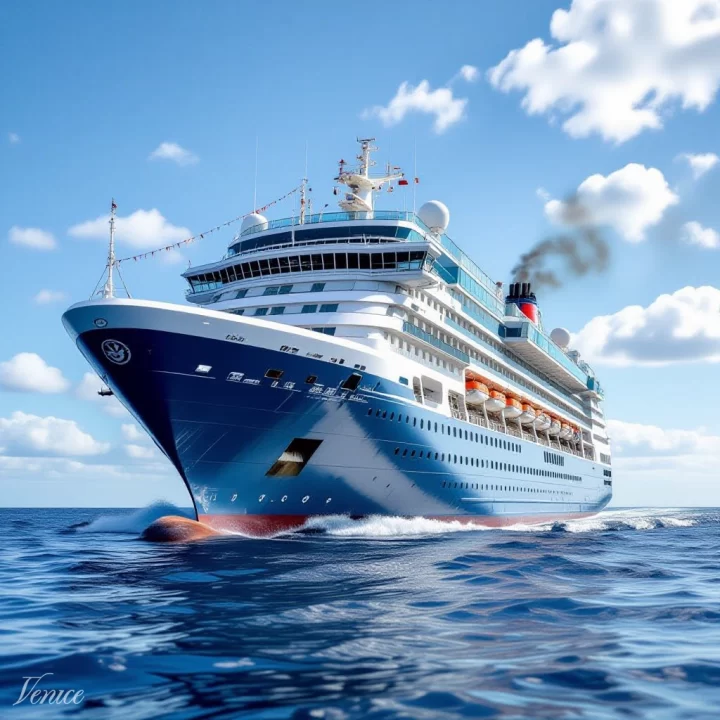
The fees vary widely in structure and cost. Greece introduced a seasonal cruise passenger fee, charging up to $€20$ per person in high-traffic islands like Santorini and Mykonos. Spain is raising fees in ports such as Barcelona to manage overcrowding. Similarly, Italy has implemented a day-trip access fee of around $€5$ for cruise passengers visiting Venice to ease the burden on historic infrastructure.
Other countries are managing visitor flow through fees and restrictions. Croatia’s Dubrovnik introduced increased fees, charging up to $€5,308$ per visit for ships with over 3,000 passengers. France, particularly in the French Riviera, is introducing caps on large ship calls; Cannes, for example, will limit disembarking passengers to 6,000 per day. The UK and the Netherlands are also actively exploring new passenger levies and port fee increases. While these measures aim to promote a sustainable tourism model and protect local communities, they raise the operational costs for cruise lines, which may influence future itinerary choices and potentially make these destinations less competitive compared to tax-free alternatives.