
- Virgin Voyages is offering Future Cruise Credit (FCC) to guests who miss their sailing due to flight cancellations caused by the U.S. government shutdown.
- The policy requires guests to submit proof of airline cancellation and is a discretionary move, with no cash refunds being offered.
- The necessity for this policy arose from sharply escalating cancellations and delays at major hubs like MIA and FLL following FAA air traffic reductions.
- Virgin Voyages’ proactive, customer-centric approach contrasts with traditional cruise policies and some travel insurance limitations, emphasizing traveler loyalty and trust.
Amid severe flight disruptions caused by the ongoing U.S. government shutdown, Virgin Voyages has introduced a flexible solution to support affected cruise travelers. The cruise line has confirmed that guests who are unable to reach their departure port due to cancelled flights will be granted a future cruise credit (FCC). This action is designed to ensure guests do not lose their investment in their planned cruise vacation.
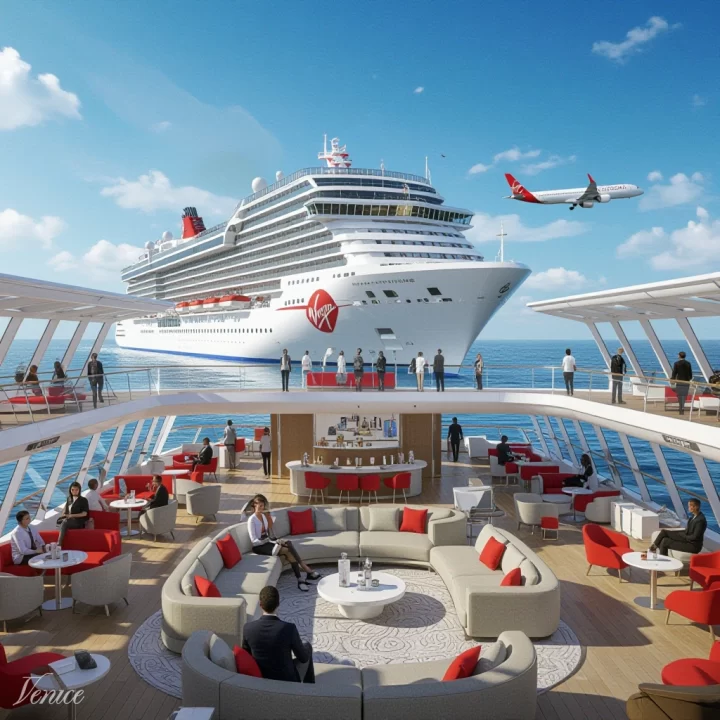
To receive the FCC, travelers must contact Virgin Voyages’ Sailor Services and submit proof of their airline cancellation. The company is offering the credit—which does not include reimbursement for airfare costs—as a direct and streamlined alternative to complex travel insurance claims. This discretionary policy is viewed as a significant gesture of goodwill, contrasting with traditional cruise line policies that often place the responsibility for missed sailings entirely on the traveler, especially if flights were not booked directly through the cruise line.
The need for this policy is underscored by data from major cruise hubs. Flight cancellations and delays escalated sharply at airports like Miami International (MIA) and Fort Lauderdale-Hollywood (FLL) following the FAA-mandated air traffic reductions. This instability has left thousands of passengers, even those who planned to arrive days early, stranded and anxious. Virgin Voyages’ proactive stance reinforces its commitment to customer trust and loyalty, setting a positive example of empathy and flexibility within the broader U.S. tourism industry during this period of crisis.
Here are four important topics from the writing: