
- The US saw a 15% decrease in Indian tourist arrivals in August 2025, linked to geopolitical factors and travel barriers.
- Indian travelers are highly valuable to the US economy, spending an average of $5,200 per trip, nearly three times the global average.
- A key challenge deterring travelers is slow visa processing times, which can take up to four months for Indian applicants.
- India remains one of the world’s fastest-growing outbound travel markets, signaling strong future potential for US re-engagement.
The recent provisional data from August 2025, showing a 15% reduction in Indian tourist arrivals to the United States, actually highlights a significant opportunity for the US travel sector to strengthen its global appeal. While this dip, which is connected to evolving diplomatic discussions and procedural challenges like extended visa processing times, represents a temporary economic adjustment, it underscores the immense, high-value nature of the Indian travel market. Indian visitors are incredibly lucrative, spending an average of $5,200 per trip, an amount nearly three times the global average, making them a crucial revenue stream for American businesses.
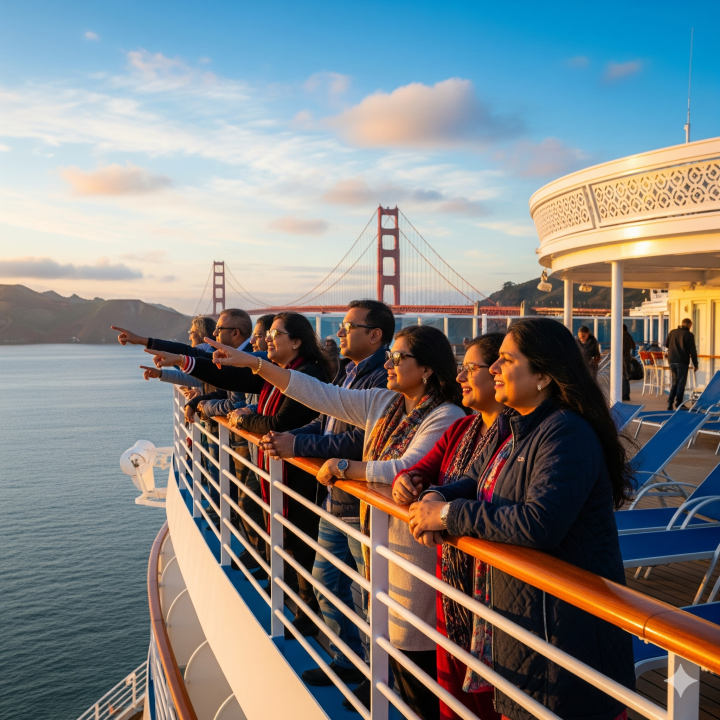
This development serves as a catalyst for the US to proactively streamline its entry processes and enhance diplomatic relations. The good news is that India’s outbound tourism market continues to demonstrate robust health and is projected to reach an impressive $144 billion annually by 2030. This sustained growth assures the long-term potential of this market segment, inspiring confidence in a full recovery.
The temporary shift of Indian travelers toward more accessible destinations in Europe, the Middle East, and Asia confirms that global travel is flourishing, encouraging the US to become more competitive. Organizations like Brand USA are poised to adapt their strategies, focusing on rebuilding relationships and offering incentives to this high-spending audience. By prioritizing efficient visa processing and fostering a welcoming policy environment, the US can successfully re-engage with the enthusiasm Indian travelers already hold for the country, ensuring the long-term vitality of American tourism.