
- Global Increase in Tourist Taxes: Italy, along with countries like the US, UK, Canada, France, Spain, Germany, and Greece, is increasing or implementing tourist taxes to manage overtourism and fund local resources.
- Purpose of Taxes: These taxes aim to cover costs associated with maintaining popular destinations, preserving cultural heritage, sustaining local infrastructure, and in some cases, funding environmental or global health initiatives.
- Varied Implementation: Taxes differ by country, region, and city, including accommodation taxes (per night, per stay, or percentage-based), day-trip fees (e.g., Venice), cruise passenger taxes, and new digital travel authorizations (e.g., UK’s ETA, France’s ETIAS).
- Impact on Travelers: Travelers can expect higher costs for accommodation and some attractions, but these contributions support the long-term sustainability and preservation of the destinations they visit.
As international travel continues its vibrant resurgence, a significant and positive trend is emerging worldwide: an increase in tourist taxes designed to foster sustainable tourism. Italy is the latest to join nations like the US, UK, Canada, France, Spain, Germany, and Greece in implementing or expanding these levies. This growing movement reflects a collective commitment to managing the pressures of overtourism, preserving invaluable cultural heritage, and ensuring the long-term sustainability of local resources and infrastructure. It’s a thoughtful approach to ensure that beloved destinations can thrive for future generations.
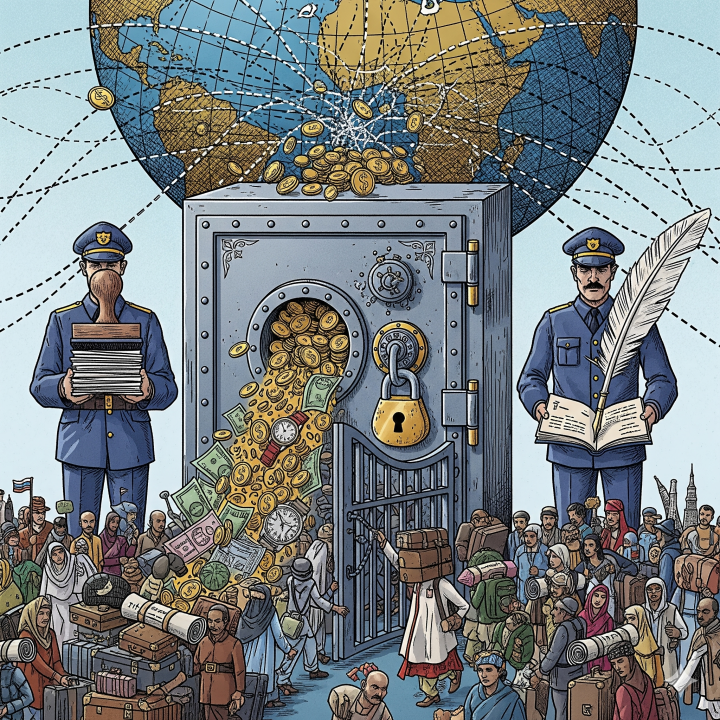
These rising tourist taxes are a crucial mechanism for covering the increasing costs associated with maintaining popular travel spots. In Italy, for instance, varying fees in cities like Rome, Florence, Venice, and Milan will contribute directly to the preservation of iconic sites and the management of visitor numbers. Venice’s day-trip fee, applicable on select dates, is a prime example of proactive management. Similarly, Spain and Greece are using these taxes to alleviate strain on local economies, particularly in popular island destinations experiencing record visitor numbers. Germany’s city taxes support local cultural and environmental initiatives, while France is introducing higher museum fees for non-EU visitors and a solidarity tax on airline tickets to fund global health.
Across the Atlantic, the US is implementing a Visa Integrity Fee and higher entry fees for foreign visitors at national parks, alongside existing municipal accommodation taxes in major cities like New York and Chicago. Canada’s decentralized approach sees provinces and municipalities levying various accommodation taxes, often supporting regional tourism. The UK is enhancing border security with its new Electronic Travel Authorization (ETA) and increased fees. Mexico is also part of this global shift, with its Visitax fee in Quintana Roo and a federal cruise ship passenger tax.
While these increased taxes may adjust travel costs, they represent a vital investment in the preservation and enrichment of the very places travelers cherish. By embracing these changes, tourists become active participants in a more responsible and sustainable global travel ecosystem, ensuring that the magic of these destinations endures.