- Major Policy Expansion: The European Union has extended its simplified Schengen visa access program to a group of eight non-EU countries, with Turkey being the most recent nation to join.
- Targeted Visa Programs: Specific mechanisms are being used, such as a “cascade visa” system for Indian nationals and streamlined multiple-entry visas for Turkish citizens, to facilitate easier travel.
- Significant Growth in Travel: The easier visa rules have led to a substantial increase in visa applications from countries like India and Turkey, resulting in an estimated 18% growth in tourist arrivals to the EU from these regions in early 2025.
- Strategic Diplomatic and Economic Goals: The initiative is designed not only to boost the EU’s tourism sector but also to strengthen its diplomatic relationships, soft power, and economic cooperation with these strategically important nations.
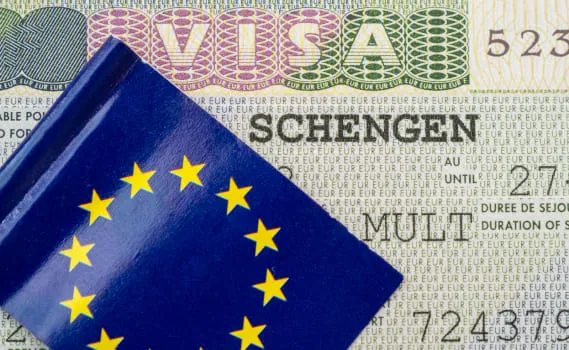
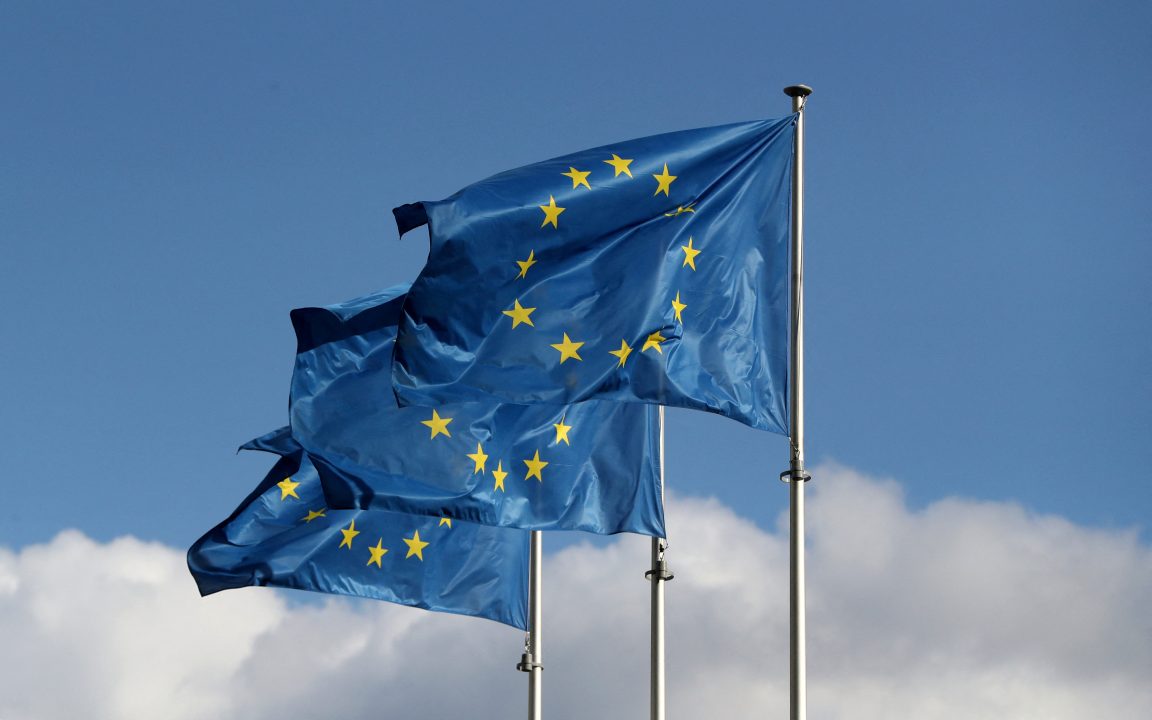
Europe is joyfully opening its arms wider, creating a more connected and accessible travel landscape for citizens from eight key nations. In a significant and positive development, Turkey has joined Azerbaijan, India, Albania, Serbia, Montenegro, North Macedonia, and Georgia in benefiting from the European Union’s streamlined Schengen visa processes. This forward-thinking initiative is fostering a wonderful new era of international mobility and cultural exchange.

The move simplifies and accelerates visa applications, making it much easier for travelers with good histories to secure long-term, multiple-entry visas. For nations like Turkey and India, which are among the top applicants for Schengen visas, this represents a major breakthrough, reducing bureaucratic hurdles and making travel planning more predictable and pleasant. The introduction of programs like the “cascade visa” for Indian nationals is a clear signal of the EU’s commitment to building stronger relationships.
This shift is already having an impact, with a noticeable surge in tourism across the continent. European destinations are seeing a healthy increase in visitors from these prioritized countries, boosting local economies and enriching the cultural fabric of cities from Paris to Lisbon. The policy is more than just a convenience; it is a strategic step towards greater global cooperation, strengthening diplomatic ties, and revitalizing the European travel industry. This welcoming approach is reshaping how the world connects with Europe, one smooth journey at a time.