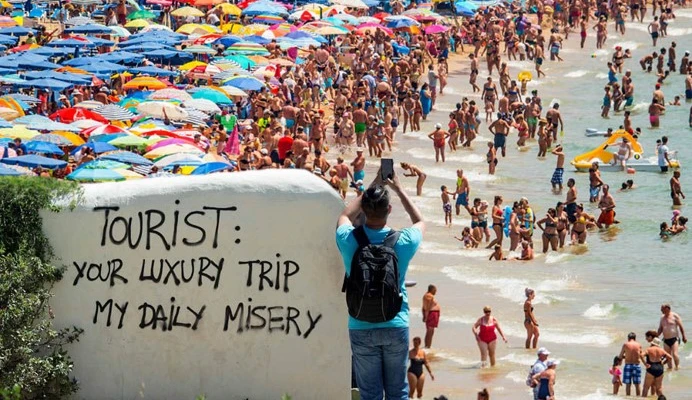
- Overtourism in popular European cities like Barcelona, Genoa, and Lisbon is sparking conversations about balancing visitor numbers with local quality of life.
- Airbnb argues that hotels are the primary cause of overtourism, while short-term rentals (STRs) can help disperse visitors.
- Hotels contend that STRs, often unregulated, contribute significantly to overcrowding and strain resources, emphasizing their own integrated role and sustainable efforts.
- Various stakeholders, including city councils, tourism think tanks (like Exceltur), and hotel groups, are actively collaborating to develop solutions for more respectful and sustainable tourism models.

The growing popularity of beautiful European cities has brought a wonderful influx of visitors, and with that, a vibrant conversation about managing tourism for the benefit of both residents and travelers. While local residents in places like Barcelona, Genoa, and Lisbon have expressed concerns about “overtourism,” it’s exciting to see various stakeholders coming together to find innovative solutions that promote harmonious coexistence. This isn’t about pointing fingers, but rather a fantastic opportunity for collaboration and thoughtful planning to ensure these beloved destinations thrive sustainably.

The dialogue highlights different perspectives on what contributes to the increased visitor numbers. Vacation rental giant Airbnb has shared a report suggesting that hotels, being concentrated in busy areas, are a primary factor, while short-term rentals (STRs) can help disperse visitors and offer flexible capacity. However, hotel groups like Mélia and Accor emphasize their integral role in local economies and their commitment to sustainable practices and community integration. It’s clear that all types of accommodation play a part, and the key lies in smart, balanced growth.
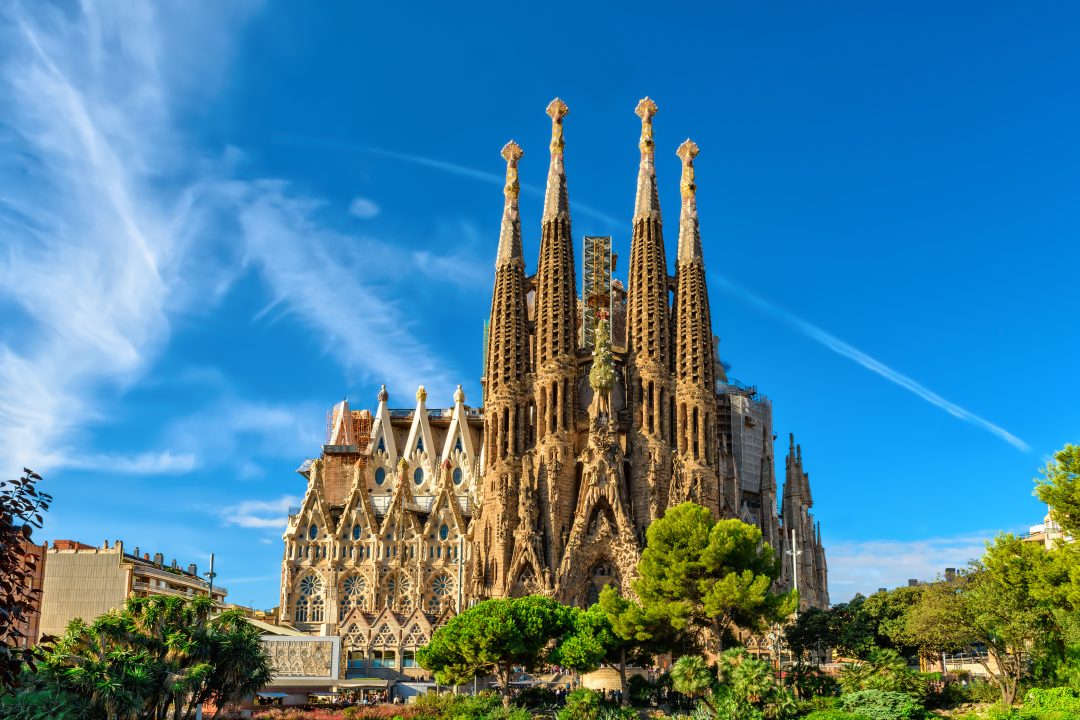
What’s truly inspiring is the proactive approach being taken. Barcelona is already planning to address the situation, and industry leaders are stepping up with positive initiatives. Mélia Hotels International, for instance, is focusing on upgrading existing assets and has a “Travel For Good” program to enhance positive social and environmental impact. Accor is also deeply involved in sustainability planning and urban resilience efforts. The Spanish tourism think tank Exceltur is leading a major public-private collaboration, “Turismo Que Suma,” to create a more respectful and positive tourism model. This collective dedication to finding solutions for thriving, balanced tourism is truly commendable.

The point?
They want to avoid this: