- Dark Web Market for Travel Data: A booming black market exists where stolen travel documents, including passport scans and loyalty accounts, are sold, with prices varying widely.
- Methods of Data Theft: Cybercriminals use malware, phishing, and exploiting breaches at travel entities to acquire personal travel information.
- Value of Stolen Data: Verified EU passports can fetch over $5,000, while hacked loyalty accounts and booking reservations are also highly valued for fraudulent activities.
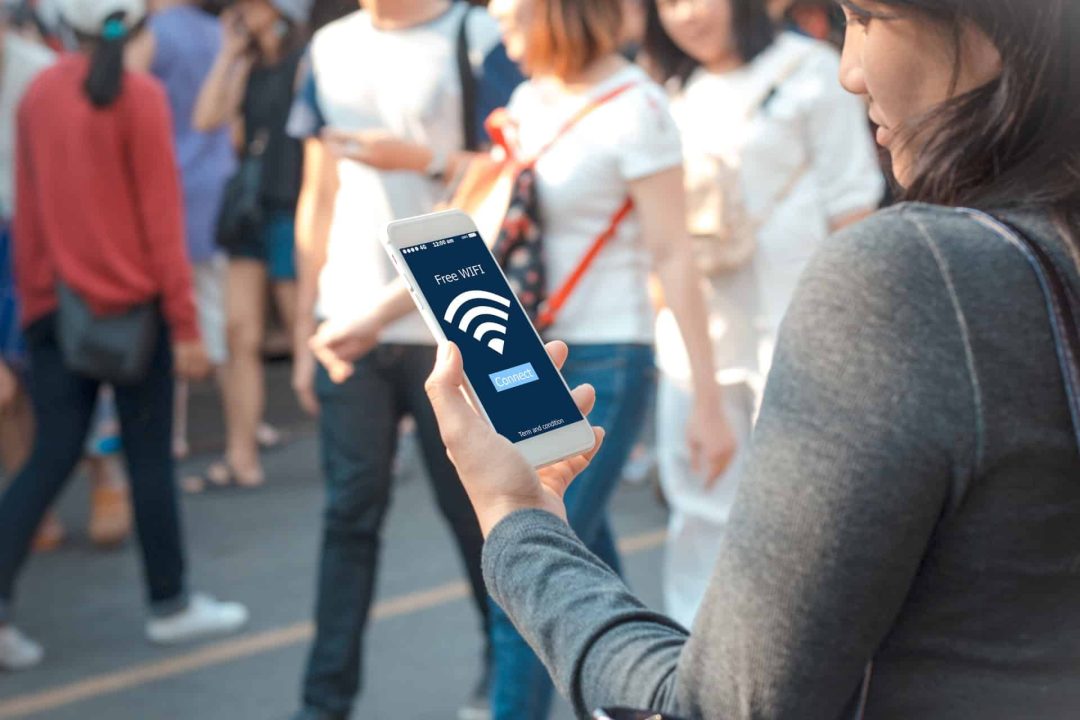
- Proactive Traveler Protection: Travelers are encouraged to use encrypted storage, be vigilant against phishing, keep devices updated, use VPNs on public Wi-Fi, and monitor accounts to safeguard their data.
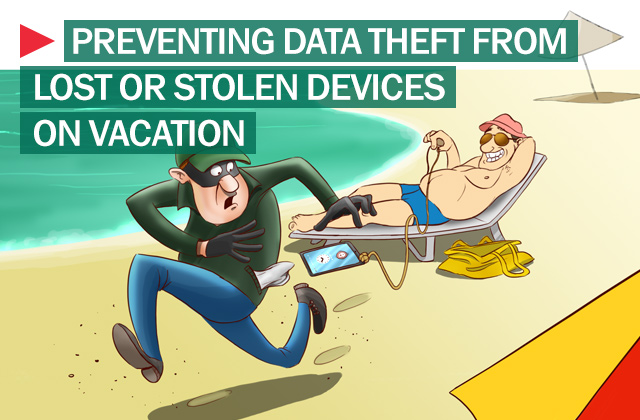
A recent joint study from NordVPN and Saily brings to light a critical topic for all global adventurers: the growing black market for stolen travel data. While it’s a serious matter, staying informed and taking proactive steps can help ensure your personal details remain secure.
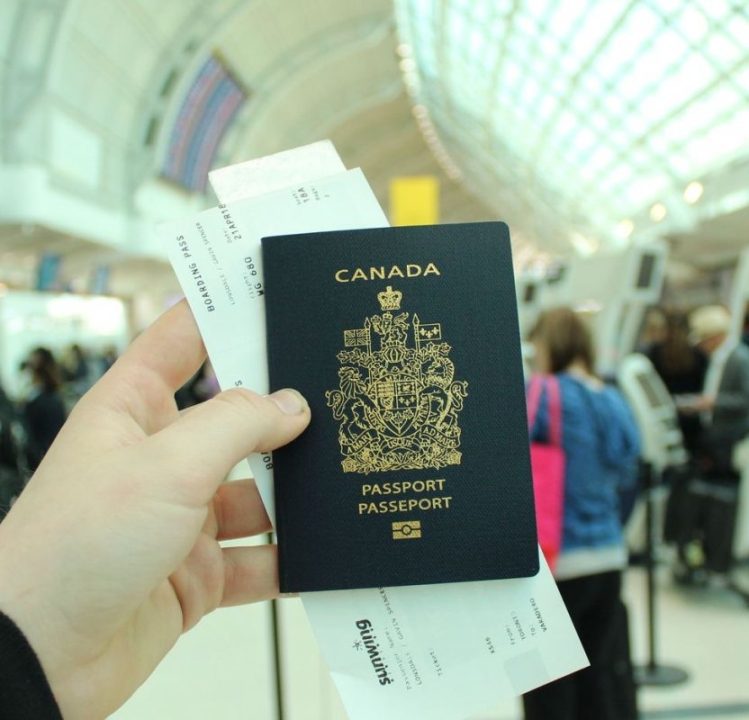
The study reveals that a range of personal travel information, from passport scans to loyalty accounts, can unfortunately be found for sale on the dark web. Verified EU passports, for instance, command prices over $5,000, illustrating the high value criminals place on these documents. Additionally, items like fake visa stickers, bank statements, and hacked airline loyalty accounts with substantial miles are also in high demand.
Cybercriminals are employing sophisticated methods to acquire this data, including using malware to scan devices, exploiting breaches at travel agencies, and creating convincing phishing sites. They are even leveraging AI-powered deepfakes to bypass identity verification, making their scams increasingly realistic. The good news is that travelers can actively protect themselves. NordVPN and Saily emphasize the importance of storing sensitive documents in encrypted digital vaults, being vigilant against phishing attempts, and always verifying URLs before submitting information.

Keeping devices updated with antivirus software, utilizing VPNs on public Wi-Fi, and regularly monitoring financial and loyalty accounts are also vital steps. By adopting a healthy skepticism and using these protective measures, travelers can significantly reduce their risk and enjoy their journeys with greater peace of mind.