
- Widespread Post-Vacation Fatigue: Nearly 79% of travelers report feeling more exhausted after a trip than before, often due to poor sleep health while away.
- Top Sleep Disruptors: The primary causes of poor rest are uncomfortable bedding, jet lag, loud noises, and staying up late due to “vacation FOMO”.
- Travelers Prioritize Sleep-Friendly Lodging: Over one-third of travelers choose accommodations based on sleep features, and many are willing to pay extra for rooms designed for better rest.
- Simple Solutions for Better Rest: Strategies from experts include packing familiar sleep aids, sticking to a consistent routine, and actively choosing quiet accommodations.
A recent national study highlights a fantastic opportunity for travelers and the hospitality industry to enhance the vacation experience by prioritizing quality rest. While vacations are meant to be refreshing, the survey of over 1,000 Americans revealed that nearly four out of five travelers feel more tired after their trip than before. This common issue, often dubbed “vacation insomnia,” is typically caused by factors like uncomfortable bedding, jet lag, loud noise, and the fear of missing out, or “vacation FOMO.” Poor sleep has unfortunately led to canceled plans, arguments, and reduced enjoyment for many.
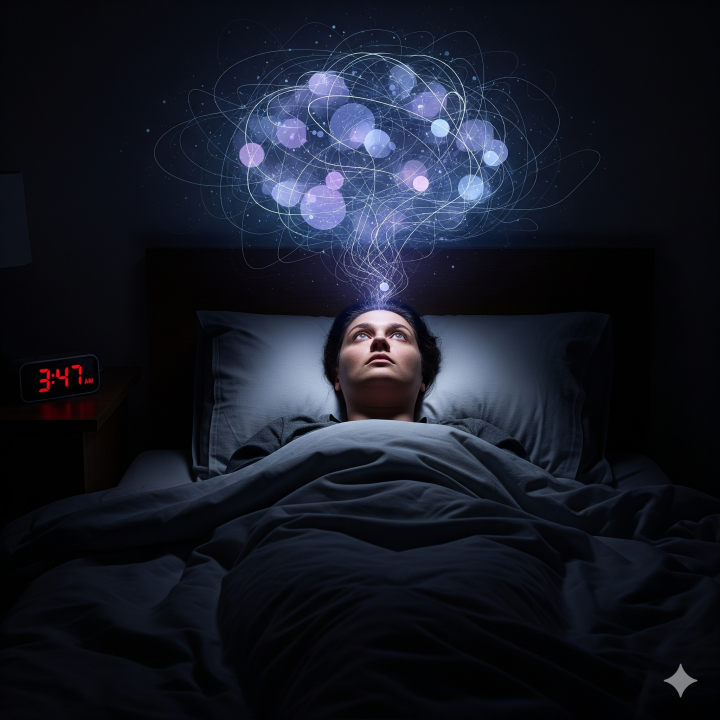
The good news is that travelers are increasingly aware of this challenge and actively seeking solutions. A significant number of people, 38%, actively choose accommodations based on sleep-related features, and one in five travelers are willing to pay a premium for hotel rooms specifically designed for superior rest. Interestingly, the survey suggests that vacation rentals may be 35% more likely to provide a better night’s sleep compared to hotels, offering a key insight for booking choices.
Certified sleep coaches emphasize that travelers can reclaim their rest through simple yet highly effective strategies. By focusing on a few small changes, such as packing familiar sleep essentials like an eye mask or pillow, maintaining a consistent routine, limiting late-night screen time, and choosing quiet, sleep-friendly accommodations, a trip can be truly restorative. Understanding the “first night effect”—where the brain stays alert in new environments—allows travelers to make proactive adjustments for a restful stay. This focus on sleep health will ensure that exciting trips remain enjoyable and fulfilling, turning every vacation into the recharge it should be.