
- Escalating regional tensions have led to the closure of critical maritime and air corridors in the Persian Gulf
- Multiple cruise ships from TUI and MSC are currently docked in regional ports due to safety restrictions and airspace closures
- Stranded passengers are facing significant travel delays and are being housed on ships or in airports until exit strategies are established
- The disruption is expected to have a cooling effect on the Middle Eastern tourism economy and future travel planning for the region
The intensifying political and military tensions in the Persian Gulf have led to significant travel disruptions, leaving thousands of cruise passengers and air travelers stranded. Major maritime corridors, including the Strait of Hormuz, have been closed to civilian traffic, which has directly impacted operations for several prominent cruise lines. Vessels such as the Mein Schiff 4 and Mein Schiff 5 are currently stationary in Abu Dhabi and Doha, respectively, as regional safety concerns prevent them from completing their scheduled itineraries.
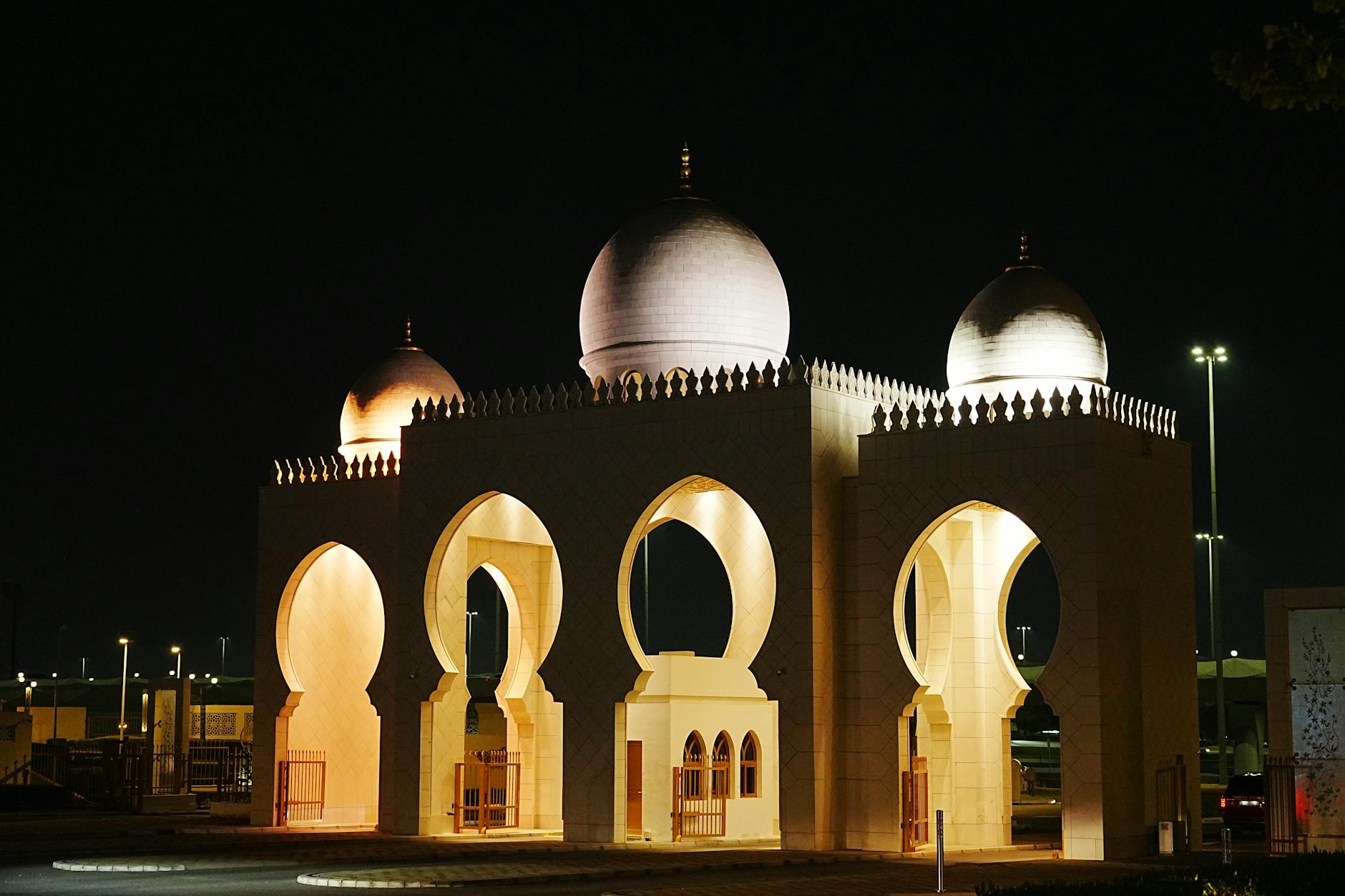
The situation for those on board is characterized by heightened security protocols. Passengers have been advised to remain in interior spaces and stay away from windows to minimize risks. The disruption extends to regional aviation, with multiple countries closing their airspace to civilian flights. This has resulted in a logistical impasse where passengers who had already disembarked to catch return flights were forced to return to their ships after airports in Dubai, Doha, and Abu Dhabi suspended operations. Major carriers, including Emirates and Qatar Airways, have faced widespread cancellations, turning international hubs into temporary shelters for displaced tourists.

Beyond the immediate logistical challenges, the crisis poses a threat to the long-term stability of the Middle Eastern tourism sector. Cities that rely heavily on international visitors are currently managing an influx of stranded guests rather than new arrivals. Industry experts suggest that the economic impact will be felt across the hospitality and retail sectors if the instability persists. Travelers currently in the region are encouraged to maintain emergency contacts, ensure they have comprehensive travel insurance, and stay informed through official carrier updates. While no casualties have been reported among tourists, the region remains a high-risk zone for non-essential travel until the geopolitical climate stabilizes and transport corridors reopen.